 Snout
How do I track insulin and glucose for my diabetic dog or cat?
Write down every insulin injection (time, dose and who gave it), what your pet ate, how much they drank, any glucose readings and their weight, every day in one place. Follow your vet's written plan for doses and timing, and never give extra insulin without their say. Call your vet if your pet won't eat, vomits, seems unusually tired or shows signs of low blood sugar.
Published · Last reviewed
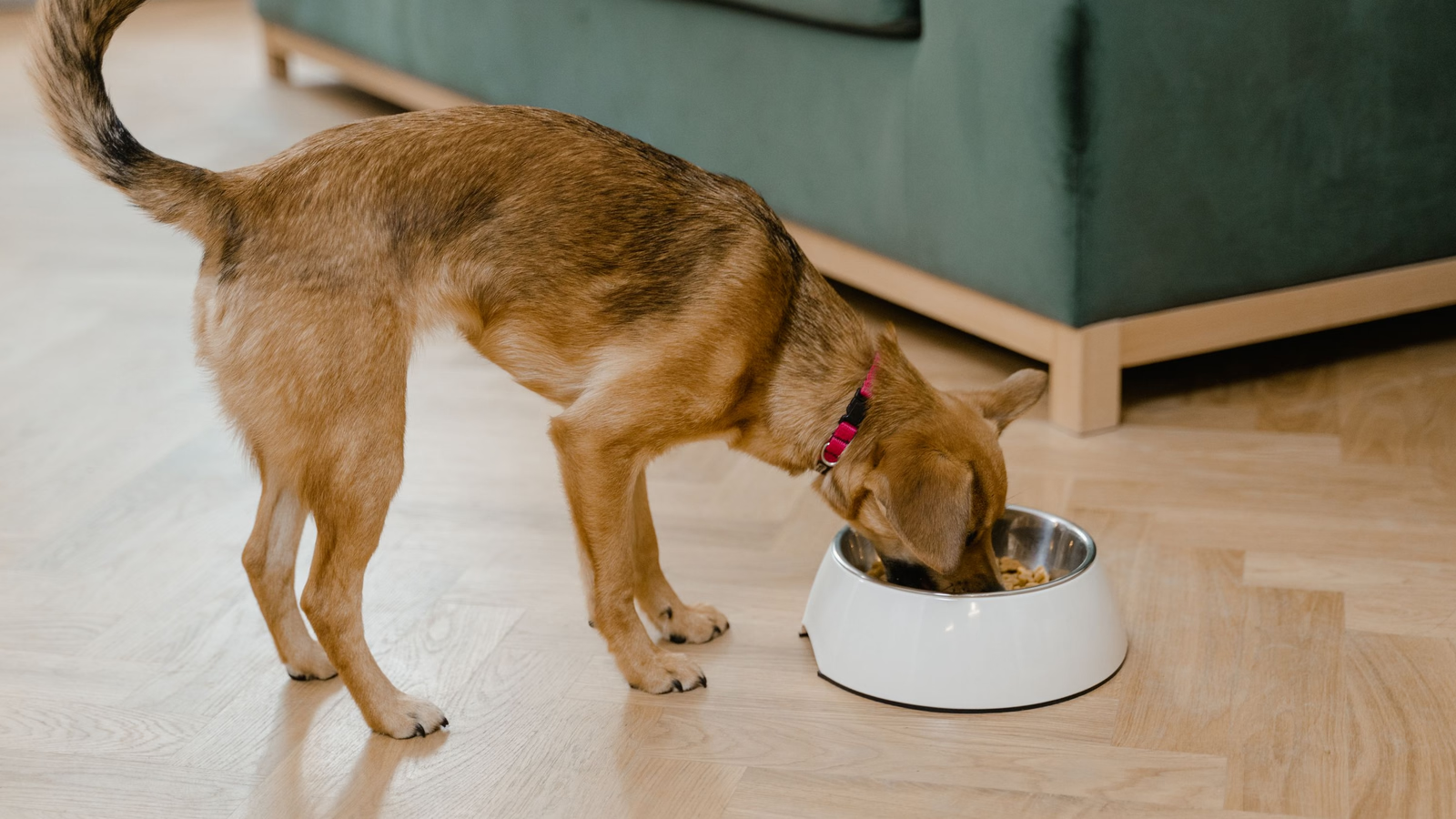
Insulin works best when the routine around it is boring and predictable. Your vet decides the dose, the timing and what to do when things go wrong. Your job at home is to give it the same way every day, write down what happens, and notice early when something changes.
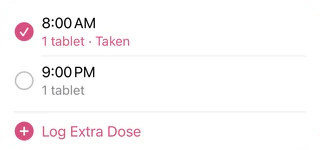

What to write down every day
AAHA’s diabetes guidelines ask owners to keep a daily log of appetite, thirst and the insulin dose given, and to note any signs of low blood sugar. Cornell’s Feline Health Center adds urine output and body weight. A useful daily line has:
- Insulin: the time of each injection, the dose your vet prescribed, and who gave it.
- Food: the meal time and how much was actually eaten (all, half, none).
- Water: whether your pet drank normally or more than usual. For cats, AAHA calls water drunk over 24 hours one of the most useful practical signs of control.
- Glucose readings, if your vet asked you to test at home, with the time of each one.
- Urine checks, if your vet asked for them. AAHA says to record glucose and ketones, and to contact the vet if ketones are present.
- Weight, as often as your vet suggests.
- Anything odd: vomiting, wobbliness, unusual sleepiness, a missed meal.
Bring the log to every recheck. AAHA’s guidelines say that when a pet has no clinical signs and a steady or rising weight, diabetes is likely well controlled, and the log is how your vet sees that. If you want a ready-made page, the free diabetes log prints with these columns.
Keeping the injection routine steady
Ask your vet for the plan in writing: which insulin, how many units, what time, and what to do if your pet eats only part of a meal or vomits. AAHA tells vets to discuss exactly that with owners, so it is a fair thing to ask for.
Insulin handling matters too. AAHA’s guidelines say not to freeze insulin, not to leave it in heat or a parked car, and recommend keeping it in the fridge for a steady environment. Some insulins are shaken and others only rolled, so follow the instructions for the one your pet uses. Always pair the syringe with the insulin: U-40 syringes for U-40 insulin, U-100 syringes for U-100 insulin.
Practical tips (no veterinary source):
- Tie injections to fixed points in your day, such as your own breakfast, and set a phone reminder as a backup.
- Mark the dose in the log the moment you give it, not later. Two people, two separate memories, one log.
- Keep spare syringes, the vet’s phone number and the written plan in the same place as the insulin.
Low blood sugar: know the signs before you need them
Too much insulin, or insulin without enough food, can drop blood sugar dangerously. AAHA asks vets to help owners recognise “lethargy, sleepiness, strange behavior, abnormal gait, weakness, tremors, and seizures, and know what to do if they occur.” Cornell lists “weakness, lethargy, vomiting, lack of coordination, seizures, and coma” in cats and warns that hypoglycemia can be fatal if left untreated.
What to do depends on how alert your pet is, and your vet’s written plan comes first. For reference, AAHA’s guidelines say to feed a conscious pet, to rub corn syrup on the gums of a pet that is poorly responsive or trembling, and then to take the pet to a vet. Cornell suggests honey, corn syrup or a dextrose gel on the gums, contacting a vet immediately, and never forcing fingers, food or fluids into the mouth of a cat that is convulsing or unconscious. Keep a source of sugar where the insulin lives.
AAHA’s guidelines also draw a firm line: owners may lower or skip a dose when low blood sugar is noted, but “should never increase the dose or frequency of insulin without clear instructions from the attending veterinarian.”
Cats are different: remission and new treatments
Cat diabetes now has its own AAHA guidelines (2026). Their summary reminds vets to “monitor the cat and not just the numbers” and notes that some cats may go into remission. Cornell explains that cats who do reach remission should stay on a low-carbohydrate diet with close monitoring, because some need insulin again later. Some cats are treated with an oral SGLT2 inhibitor instead of insulin, though AAHA notes that not every cat is a suitable candidate. Whatever the treatment, the same daily log applies, and only your vet should change or stop it.
Questions owners ask
What if I miss a dose, or I'm not sure it was given?
Follow the missed-dose instructions in your vet's written plan, and call your vet if you don't have any. Don't give a second injection just in case: AAHA's guidelines say owners should never increase the dose or frequency of insulin without clear instructions from the vet. Logging each injection as you give it, with your initials, prevents most of these doubts.
My pet won't eat before the injection. What should I do?
Call your vet. AAHA's guidelines say plainly: "If the pet does not eat, contact the veterinarian." They also advise vets to discuss with owners what to do if a pet eats only part of a meal or vomits, so ask for that plan in writing before it happens.
How long after a meal should I give insulin?
It depends on the insulin and on your vet's plan, so follow their instructions. What every plan has in common is consistency: AAHA's guidelines recommend feeding diabetic dogs at consistent times in consistent amounts. Write down the meal time, how much was eaten and the injection time every day.
What are the signs of low blood sugar?
AAHA lists lethargy, sleepiness, strange behaviour, abnormal gait, weakness, tremors and seizures. Cornell adds vomiting, lack of coordination and coma in cats. Low blood sugar can be dangerous, so ask your vet now what to do if you see these signs, and contact them straight away if it happens.
Can a diabetic cat go into remission?
Some can. AAHA calls remission "a reasonable goal" in cats, and Cornell notes that a cat not in remission within the first six months after diagnosis will almost certainly need insulin for life. Remission is rare in dogs. Only your vet should decide to lower or stop insulin.
Do I need to check blood glucose at home?
Ask your vet. AAHA's guidelines say home glucose meters should be veterinary-approved products calibrated for dogs and cats, and that continuous glucose monitors can show problems during the night. They also stress clinical signs: for cats, "monitor the cat and not just the numbers."
Someone else gives the injection sometimes. What do they need to know?
The same written plan you follow, the signs of low blood sugar, and how to log each dose so nobody gives a second one. AAHA's guidelines also warn to always use a U-40 syringe with U-40 insulin and a U-100 syringe with U-100 insulin, so keep the matching syringes with the insulin.
This is general information, not veterinary advice. Ask your vet about your own pet.