 Snout
How do I care for my cat with kidney disease at home?
Keep a simple daily record of how much your cat eats and drinks, litter box changes, vomiting and weight, and log every medicine and fluid session as you give it. Follow your vet's written plan for diet, fluids, medicines and rechecks rather than changing anything yourself. Call your vet if your cat stops eating, vomits repeatedly, seems dehydrated or suddenly changes.
Published · Last reviewed
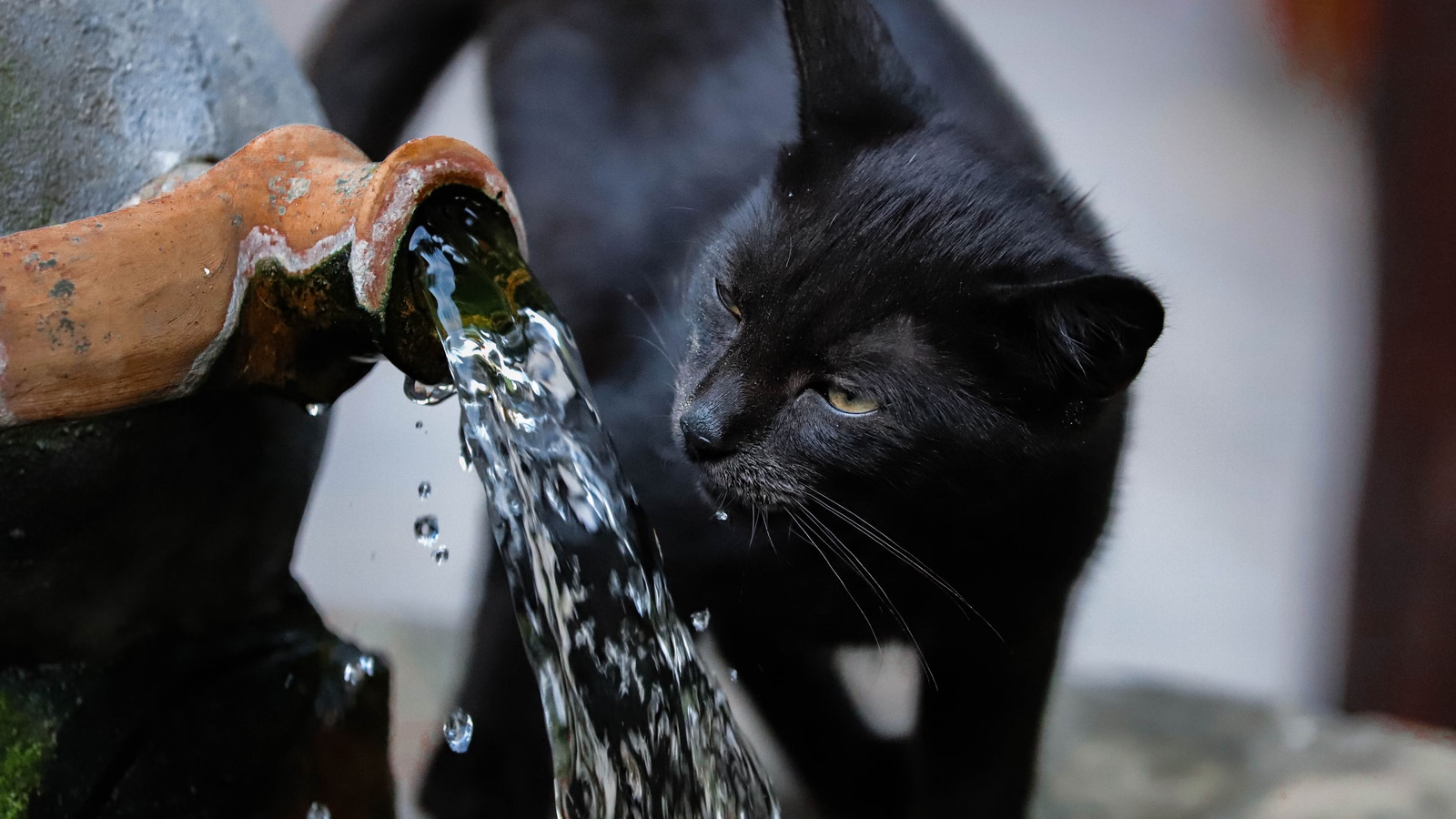
Chronic kidney disease (CKD) is common in older cats. Merck’s owner manual says it becomes more common from around five or six years of age and affects up to 35% of elderly cats. Merck notes that existing kidney damage can rarely be undone, but that with proper treatment even cats with very little kidney function can survive for a long time. Your vet decides the diet, fluids, medicines and rechecks. Your part at home is to keep the routine steady, write down what you see, and spot changes early.
What the stages mean, in short
Cornell explains that the International Renal Interest Society (IRIS) has a staging system for cats with CKD, based on blood and urine results, with substages for protein in the urine and blood pressure. Merck describes four stages, from early disease to the final stage. Cornell adds that staging should happen when the cat is well hydrated and stable, because a dehydrated or sick cat can look worse on paper than it is.
The stage helps your vet choose treatment and decide how closely to watch your cat. Ask which stage your cat is in, and what changes your vet wants to hear about.

What to track at home
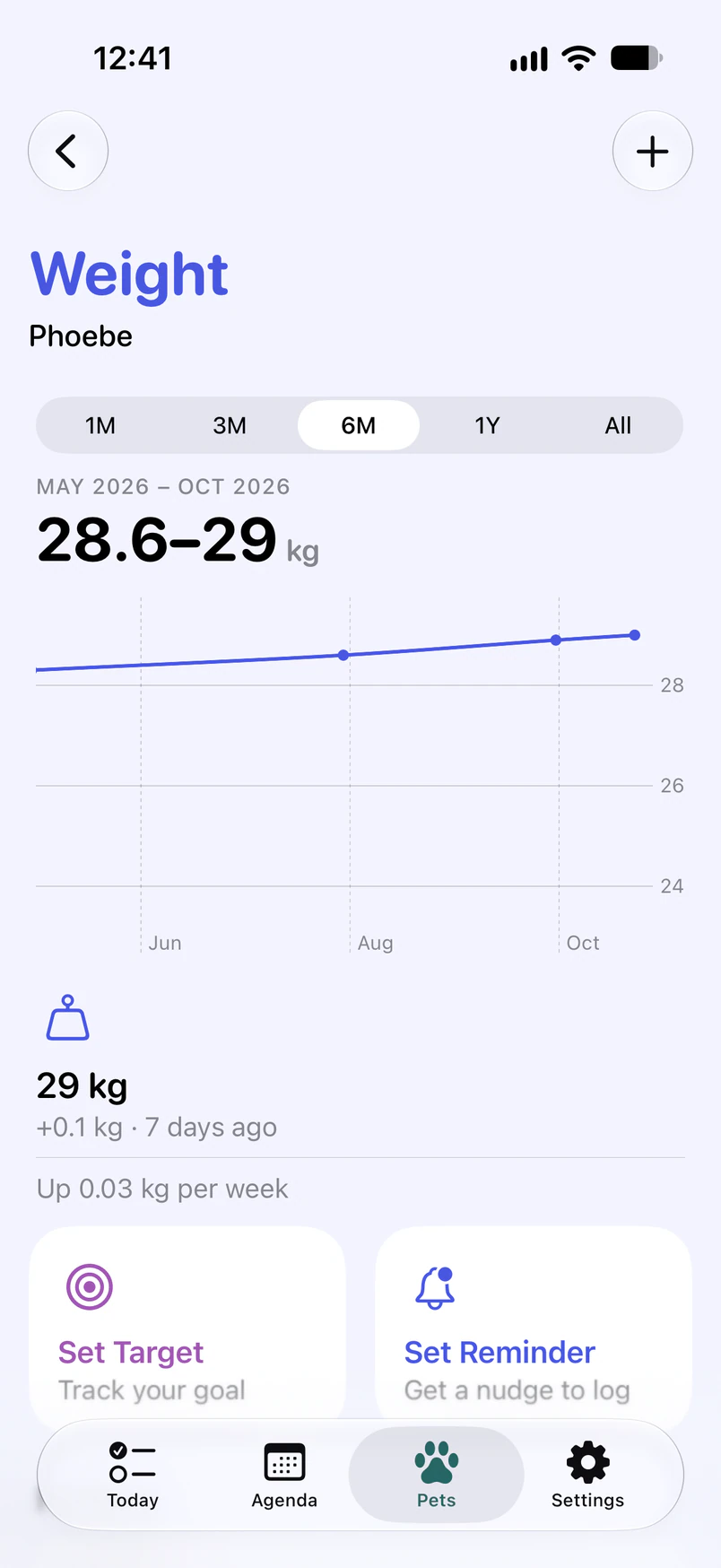
Cornell notes that in the early stages many cats show no obvious signs at all, which is exactly why a home record helps. Merck lists excessive thirst and urination as usually the earliest signs, and later loss of appetite, weight loss, dehydration, mouth sores, sluggishness, vomiting and diarrhoea. A useful daily line has:
- Appetite: how much of each meal was eaten (all, half, none), and any change of food.
- Water: whether your cat drank normally or more than usual.
- Litter box: more or bigger clumps than usual, or fewer.
- Vomiting or diarrhoea: when, and how often.
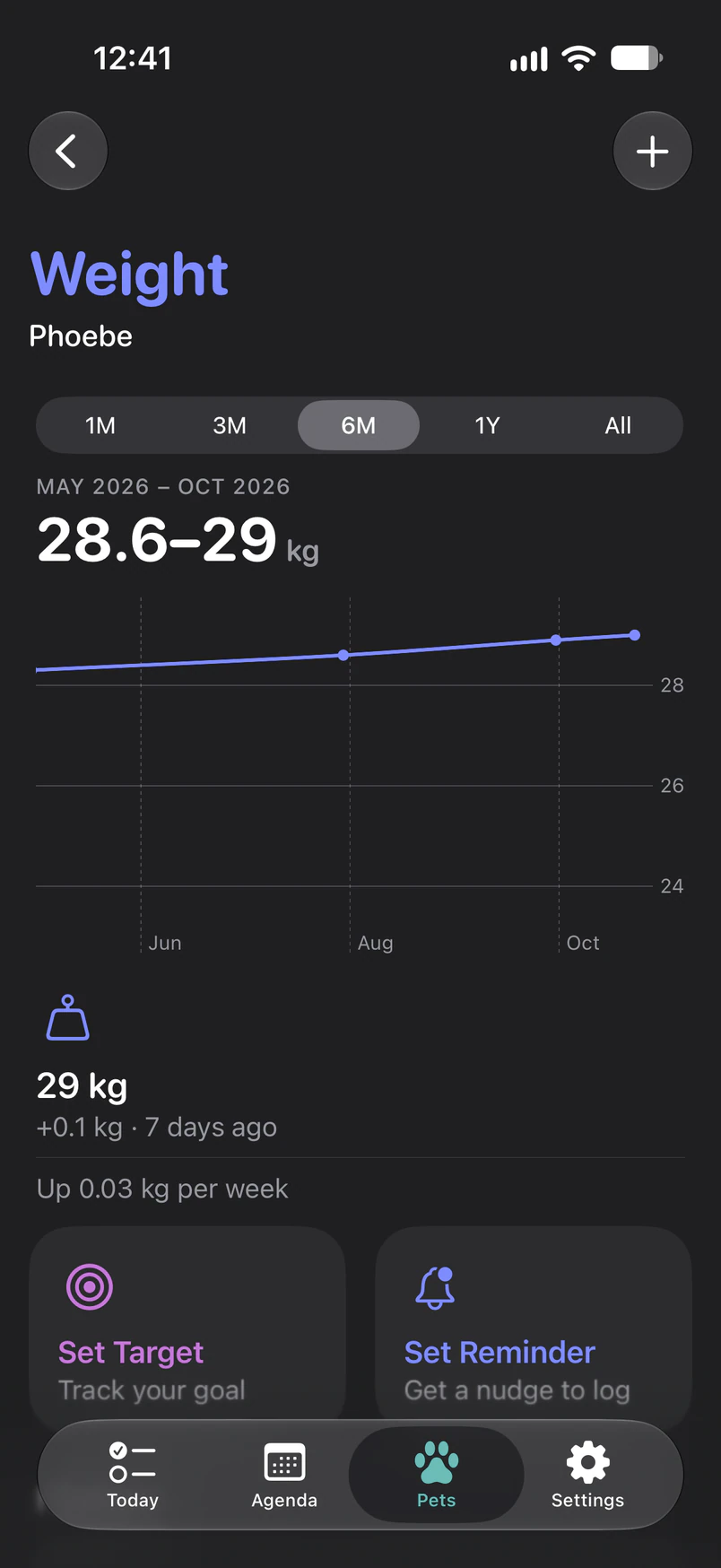
- Weight: as often as your vet suggests, on the same scale.
- Medicines and fluids: what was given, when, and by whom.
- Anything odd: hiding, lethargy, an unkempt coat, pale gums, wobbliness or sudden changes in sight.
Cornell links several of these to the disease itself: anaemia can cause lethargy, poor appetite and pale or white gums, and high blood pressure, which affects many cats with CKD, can lead to sudden changes in vision, disorientation and weakness.
Keeping fluids and medicines on schedule
Cats with CKD often take more than one thing. Cornell lists a telmisartan liquid for blood pressure and urine protein loss, medicines for anaemia, and options such as phosphate binders, potassium, appetite stimulants and anti-nausea medicines that may help certain cats. Cornell also says good hydration is essential, because dehydration can speed up kidney damage, and that in some cases fluids under the skin are needed. Merck notes your vet may teach you to give them at home.
How much, how often and which medicines are your vet’s call. Ask for the plan in writing, including what to do if a dose is missed or your cat vomits it back up, and don’t adjust anything yourself. If you want a simple printed page to tick off doses and fluid sessions, the free medication log works for that.
Practical tips (no veterinary source):
- Give medicines and fluids at the same points in your day, and set a phone reminder as a backup.
- Log each dose or fluid session the moment it is done, with your initials, so nobody repeats or skips one.
- Keep fluid supplies, the medicine list and the vet’s number together in one place.
Helping your cat eat and drink
Cornell calls diet change an important and proven part of CKD treatment, often the first change recommended. Many cats don’t love therapeutic diets, so Cornell recommends a gradual switch and paying attention to temperature, texture and flavour, and it notes prescription kidney diets come in several flavours and textures. If one doesn’t work, ask your vet about another.
For water, Cornell suggests wet food, water fountains and clean bowls of fresh water in several spots around the home. Write down which food and which bowl your cat actually uses. That detail helps your vet more than “eats a bit less”.
Questions owners ask
What do the IRIS stages mean?
IRIS is the International Renal Interest Society, and its staging system sorts cats with chronic kidney disease into stages, with substages for protein in the urine and blood pressure. Cornell notes staging should be done when the cat is well hydrated and stable, because a dehydrated or sick cat can look like a higher stage than it really is. Ask your vet which stage your cat is in and what it means for the plan.
How often should my cat have subcutaneous fluids?
Only your vet can answer that, and the volume and schedule are part of their plan for your cat. Merck notes that vets may teach owners to give fluids under the skin at home. Log each session with the date, time and who gave it, and tell your vet if your cat starts resisting or the routine stops working.
My cat won't eat the kidney diet. What can I do?
Talk to your vet before giving up. Cornell says many cats have difficulty accepting therapeutic diets, recommends a gradual switch, and suggests paying attention to food temperature, texture and flavour. It also warns that cats with kidney disease that go without food for even short periods may develop significant health problems, so a cat refusing food needs a call, not a wait.
Why does my cat drink and pee so much?
Cornell explains that as the kidneys lose their ability to concentrate urine, cats may urinate greater volumes and drink more water to compensate. Merck calls excessive thirst and urination usually the earliest signs. Write down changes, such as more clumps in the litter box or a water bowl emptying faster, and share them with your vet.
How long do cats live with kidney disease?
It varies a lot. Cornell says prognosis can depend significantly on the response to treatment and that earlier diagnosis and treatment seem to give better outcomes. Merck notes that with proper treatment, some cats with very little kidney function can survive for a long time. Your vet is the best person to talk through your own cat's outlook.
What should I bring to recheck appointments?
Your log: appetite, water, litter box notes, vomiting, weight and every medicine and fluid session given, plus any doses that were missed. Cornell says regular monitoring is important to see how quickly an individual cat's disease progresses, and a home record fills the gaps between blood tests.
This is general information, not veterinary advice. Ask your vet about your own pet.