 Snout
How do I keep track of my cat's or dog's thyroid medication?
Log every dose as you give it (time, form and who gave it), keep it the same way relative to meals every day, and write down appetite, weight, thirst, vomiting and energy. Your vet sets the dose and adjusts it from blood tests and how your pet is doing, so never change it yourself. Call your vet about side effects such as repeated vomiting, facial itching or yellow skin or eyes.
Published · Last reviewed

This guide covers the two cases owners usually meet: a cat with an overactive thyroid (hyperthyroidism), treated with a medicine that blocks hormone production, and a dog with an underactive thyroid (hypothyroidism), treated with a thyroid hormone replacement. Either way, the medicine is usually daily and long term, the dose is adjusted from blood tests, and a steady routine at home makes those tests easier to read.
The usual medicines, in brief
Cats with hyperthyroidism. Merck describes daily methimazole, an antithyroid drug that blocks the production of thyroid hormone, with the dose adjusted to keep hormone levels in the normal range. VCA notes it comes as a tablet, a compounded liquid, or a transdermal gel rubbed onto hairless skin, usually the inside of the ear flap. In the UK and Europe you may be prescribed carbimazole instead: its product information explains that the body converts it into methimazole. Merck also lists radioactive iodine, surgery and an iodine-restricted prescription diet as alternatives, which your vet can talk through.
Dogs with hypothyroidism. Merck says thyroid hormone (thyroxine, T4) is the replacement most often used in dogs, and that treatment is generally lifelong. VCA describes levothyroxine as that replacement.
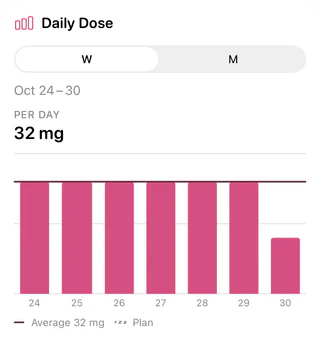
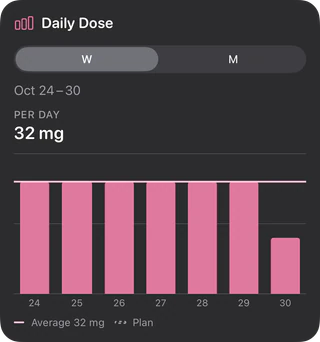
What to write down every day
Your vet adjusts the dose from blood results and from how your pet is doing at home, and the second part only exists if someone writes it down. A useful daily line has:
- Dose: the time, the form (tablet, liquid, gel) and who gave it.
- Meals: whether the dose went with food or not, kept the same way each day.
- Appetite and thirst: eating and drinking less, the same, or more.
- Weight: as often as your vet suggests, on the same scale.
- Stomach: any vomiting or diarrhoea, and when.
- Energy and behaviour: restless, normal, sleepy.
- Skin and coat: scratching at the face (cats), coat changes (dogs).
If you’d like a printed page to tick off each dose, the free medication log has room for all of this.
Side effects to watch for
Methimazole and carbimazole (cats). VCA lists vomiting, poor appetite and tiredness as common, usually within the first three months. It calls facial itching and scratches rare but significant, because they suggest the cat cannot tolerate the drug, and says yellowing of the skin or eyes means stopping the drug and contacting your vet. The carbimazole product information also mentions changes in blood cell counts, mostly in the first weeks, which is one reason for early blood tests.
Thyroid hormone (dogs). Merck says hyperthyroidism is caused by an excess of thyroid hormones and lists its signs in dogs as weight loss, increased appetite, excitability, more thirst and urination, vomiting, diarrhoea and a faster heart rate. If you see these after starting or changing a dose, note them and ask your vet.
Write down the date each new sign started. “Vomited twice since the dose went up on Monday” is far more useful to your vet than “has been sick a bit”.
Keeping the routine steady
The aim is the same medicine, the same way, at the same time. VCA says levothyroxine should be given the same way every day, with or without food. The carbimazole product information says the timing relative to feeding should be kept consistent from day to day. Ask your vet for the plan in writing, including what to do after a missed dose or if your pet vomits the medicine back up.
Practical tips (no veterinary source):
- Tie the dose to a fixed moment in your day, such as your own breakfast, with a phone reminder as a backup.
- Mark the dose in the log the moment you give it. Shared households need one log, not two memories.
- For the ear gel, alternate ears if your vet tells you to, and note which ear in the log.
- Reorder before you run out, so a dose is never skipped for lack of medicine.
Questions owners ask
What if I miss a dose of thyroid medicine?
Ask your vet now what to do, and write the answer down next to the schedule. Don't double up to catch up: VCA's levothyroxine information, for example, says not to give two doses at once. Logging each dose as you give it, with your initials, prevents most "was it given?" doubts.
How long until the medicine works?
It varies. VCA notes that methimazole can take days to weeks before effects are seen, and that the effects are sometimes not obvious. For dogs on thyroid hormone, Merck says treatment usually has to be tried for several weeks before changes in coat and body weight can be judged. Your log of weight, appetite and energy helps your vet see the trend.
Should I give it with food or on an empty stomach?
Follow the label and your vet, and keep it the same every day. VCA says levothyroxine can be given with or without food but should be given the same way every day. The carbimazole product information says food increases how much is absorbed and that timing relative to meals should be kept consistent from day to day.
Do I need gloves for the ear gel?
Yes. VCA's methimazole information says to wear gloves when applying the transdermal gel, usually on the inside of the ear flap, and that pregnant or nursing women, or women who may become pregnant, should wear gloves when handling the medicine, litter or body fluids of a treated cat.
Why does my cat need so many blood tests?
Merck explains that most methimazole side effects appear early, so blood counts and thyroid levels are checked often at first and less often once things are stable. The carbimazole product information adds that treating an overactive thyroid can reveal kidney problems that were hidden before, so kidney and liver values are watched too. Your vet sets the dates.
Is the medicine for life?
Often, yes, unless the cause is treated another way. Merck says thyroid hormone treatment in dogs is generally lifelong. For hyperthyroid cats, the carbimazole product information says thyroid levels return to where they were within about two days of stopping, so ongoing treatment is needed unless the thyroid is treated with radioactive iodine or surgery.
This is general information, not veterinary advice. Ask your vet about your own pet.